


Building Routines and Confidence for a Great School Year
It’s hard to believe the new school year is already underway. It seems like just a short time ago parents were excited about summer weather and wondering how they were going to fill their kids’ time.
Now that school has started, we wanted to share some important tips* for elementary aged children to help you and your kids kick the year off right.
*source: CDC – Tips for a positive start to the school year!
Daily Routines Help Kids Feel Safe and Confident
Put away electronics one hour before bedtime to relax together and get ready for a good night’s sleep. Plan regular times for healthy meals, play, and homework every day. Kids need 9–12 hours of sleep each night to help them learn. Get clothes and backpacks ready for school the night before. Set aside regular one-on-one time, without screens, to do something relaxing and fun with your child.
Building Connections Boosts Confidence
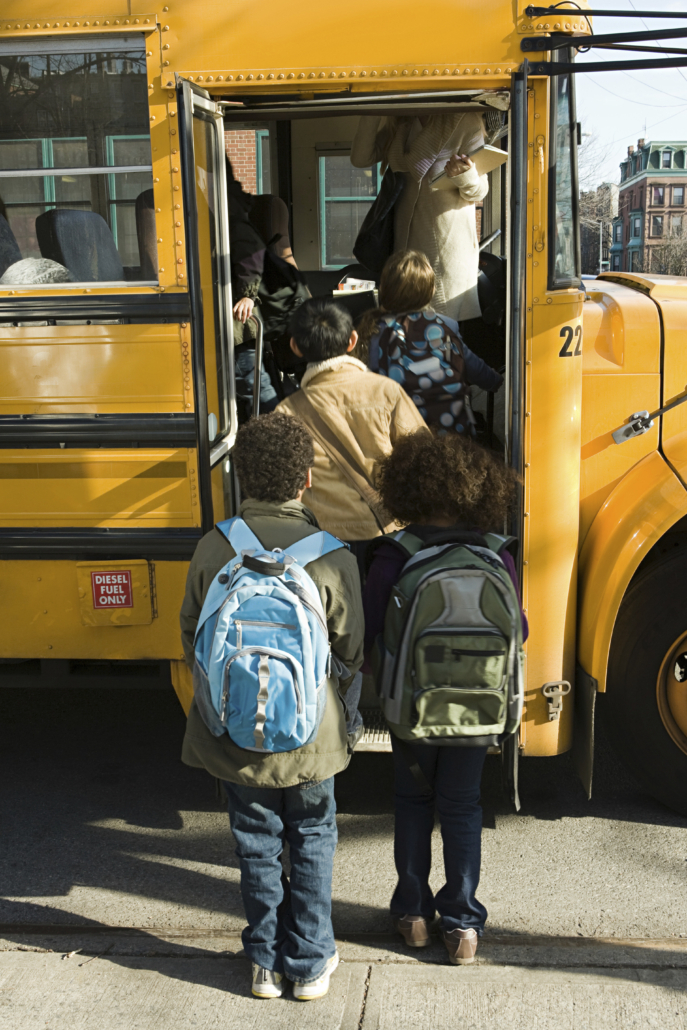
Visit the school together to meet teachers and see where your child will be spending their day. Talk to your child about what they can expect during the school year. If they are nervous, let them know it’s normal. Have a buddy for bus rides or carpools to make going to school easier. Reduce bullying by forming positive connections in after-school and mentoring programs. Praise your child: “Thank you for helping set out your school clothes for tomorrow!” or “Great job packing your backpack!” Practice positive self-talk: say “I can try this” instead of “I can’t do this.”
Talking About Their Feelings Builds Trust
Ask your child: “What was the best thing about your school day?” Acknowledge their feelings, even when emotions are tough because of conflict or disappointment. Practice coping skills such as belly breathing. Talk about their feelings: “It’s okay to feel…” and “I’m so glad you told me about…” Try belly breathing together: put both hands on your belly, breathe in slowly through your nose, then breathe out slowly through your mouth.
You Know Your Child Best. If You Think Your Child Needs More Help:
Talk to your child’s teachers about how you can support their needs at school. If your child’s feelings are affecting their sleep or school, talk to school behavioral health staff or the Lowell Community Health Center’s School-Based Health Center team about ways to help. Consider a health check-up to stay up to date on your child’s routine care.