September 11, 2025

Building Routines and Confidence for a Great School Year

It’s hard to believe the new school year is already underway. It seems like just a short time ago parents were excited about summer weather and wondering how they were going to fill their kids’ time.

Now that school has started, we wanted to share some important tips* for elementary aged children to help you and your kids kick the year off right.

*source: CDC – Tips for a positive start to the school year!

Daily Routines Help Kids Feel Safe and Confident
Put away electronics one hour before bedtime to relax together and get ready for a good night’s sleep. Plan regular times for healthy meals, play, and homework every day. Kids need 9–12 hours of sleep each night to help them learn. Get clothes and backpacks ready for school the night before. Set aside regular one-on-one time, without screens, to do something relaxing and fun with your child.

Building Connections Boosts Confidence
Visit the school together to meet teachers and see where your child will be spending their day. Talk to your child about what they can expect during the school year. If they are nervous, let them know it’s normal. Have a buddy for bus rides or carpools to make going to school easier. Reduce bullying by forming positive connections in after-school and mentoring programs. Praise your child: “Thank you for helping set out your school clothes for tomorrow!” or “Great job packing your backpack!” Practice positive self-talk: say “I can try this” instead of “I can’t do this.”

Talking About Their Feelings Builds Trust
Ask your child: “What was the best thing about your school day?” Acknowledge their feelings, even when emotions are tough because of conflict or disappointment. Practice coping skills such as belly breathing. Talk about their feelings: “It’s okay to feel…” and “I’m so glad you told me about…” Try belly breathing together: put both hands on your belly, breathe in slowly through your nose, then breathe out slowly through your mouth.

You Know Your Child Best. If You Think Your Child Needs More Help:
Talk to your child’s teachers about how you can support their needs at school. If your child’s feelings are affecting their sleep or school, talk to school behavioral health staff or the Lowell Community Health Center’s School-Based Health Center team about ways to help. Consider a health check-up to stay up to date on your child’s routine care.

August 8, 2025

Getting Your Kids on the Right Track for Back-to-School: Walk-In Vaccine Clinic and School-Based Appointments Available

As families prepare for the start of a new school year, Lowell Community Health Center is making it easier than ever to ensure children are up to date on required vaccines.

On Saturday, August 23rd, from 9:00 a.m. to 1:00 p.m., Lowell CHC will host a special walk-in vaccine clinic for pediatric patients. The clinic will take place at the Pediatric Department, located at 161 Jackson Street in Lowell. No appointment is needed.

In addition to the walk-in clinic, Lowell Public School families can also schedule back-to-school vaccine appointments and physicals at Lowell High School or through our School-Based Health Center Mobile Unit at various locations on August 12th, 19th, and 26th. These appointments are open to any student enrolled in Lowell Public Schools and can be made by calling 978-746-7770.

“Back-to-school season should be a time of excitement—not stress,” said Cindy Slaga, Director of School-Based Health for Lowell CHC. “Whether it is a required vaccine or routine care, we are here to help families stay on track with care they can count on.”

For more information or to make an appointment:

  • Call the School-Based Health Center team at 978-746-7770
  • No appointment is needed for the August 23rd walk-in clinic, but patients can call 978-937-9700 for more information. At Lowell Community Health Center, The Power to Care means making access to care simple, supportive, and centered on you. That includes making sure every child starts the school year protected and ready to learn.
June 30, 2025

Helping Teens Beat the Summertime Blues

By: Lynne Gallagher, LICSW and Kristen Padgett, CHW

For many teens, summer vacation is something they look forward to for weeks—because it can mean freedom, adventure, and rest. But for others, it can be a time of anxiety and uncertainty. Without the structure of school, daily social interactions, or access to teachers and other school staff, some teens face what is often referred to as the “summertime blues.” And while they may never admit it, teens often thrive on structure. When that structure disappears, it can leave them feeling lost, affecting their mood, motivation, and sense of connection.

Unlike seasonal affective disorder—which typically happens in the winter—this summer slump is more about the disruption of routine. Teens go from packed schedules and regular contact with friends to long days with little structure. Research published in JMIR Mental Health suggests that teens often turn to platforms like TikTok to share feelings of depression and loneliness during unstructured times like summer break. This shows how visible—and relatable—these emotions can be.

As parents and caregivers, we may think summer is a time to relax and recharge. You may remember endless days of play and relaxation from your own childhood. But it is important to recognize the signs that your teen may be struggling. Lack of motivation, a sudden disinterest in hobbies they once loved, and withdrawal from family and friends can all be signals that something deeper is going on.

So, what can we do to help?

Start with conversation. Even simple questions can help open the door. Ask your teen how they are feeling, and really listen to what they say. That means avoiding the urge to fix or explain things away. Just being present and nonjudgmental goes a long way.

If you or someone you know needs immediate help, the Vinfen Crisis Hotline (866-388-2242) is available 24-7. Click here for more information.

According to UNICEF Parenting tips, acknowledging a teen’s feelings helps them feel secure enough to open up. Teens are more likely to share when they are not afraid of being judged or dismissed. It is also important to validate their feelings. Even if a teen’s stressors may seem small from an adult perspective, what they are feeling is real.

Another tip: share your own emotions. SAMHSA recommends that parents demonstrate open communication—for example, by talking about their own feelings—to encourage teens to do the same. This might mean saying something like, “I’ve been feeling overwhelmed lately—how about you?” rather than making assumptions about what a teen might be going through. Guessing at their behavior can come off as judgmental and erode trust.

Of course, not every teen is ready to talk. Some may need more time or different ways to express themselves. That is something we see frequently in Lowell CHC’s School-Based Health Center, which is why we know creating a safe space is so important. Encourage your teen to talk about the highs and lows of their day, even briefly. Daily check-ins—without pressure—can plant seeds for deeper conversations down the line.

It is also worth remembering that some emotional shifts may be part of normal adolescent development. But if sadness lingers or begins to affect sleep, appetite, or self-worth, professional help may be needed. Parents should not hesitate to reach out to a pediatrician, therapist, or our school-based resources for support.

For families in our community, the School-Based Health Center (SBHC) is open all summer and available to help. You can learn more about us and how to contact us at lchealth.org.

Whether it is checking in on mental health, managing stress, or getting connected to additional care, you do not have to go through it alone—and that is so important for parents and caregivers to remember. This can quickly become overwhelming for you too without the right support.

Peer Health Exchange notes that teens are often juggling so much that they struggle to find the words to describe how they feel. That is why our support—whether as parents, mentors, or community members—matters so much. It is not about having all the answers. It is about showing up, checking in, and helping teens feel understood and supported.

So this summer, let us keep the doors of communication open—make that your priority. Because talking about our emotions is not just helpful, it is healthy. And for teens navigating the uncertainty of their summers, knowing they are not alone might be the best kind of freedom there is.

February 22, 2024

February is American Heart Month!

By Dr. Cara Marshall, Program Director for the Lowell Community Health Center | TuftsMedicine | Family Medicine Residency Program

Doing things like moving around more and eating healthy food can really help your heart stay strong. Here are some tips from the National Heart, Lung, and Blood Institute to keep your heart healthy.

Take Action for Your Heart: Get Started!

The following tips are from the National Heart, Lung, and Blood Institute’s “Take Action for Your Heart: Get Started!” toolkit. Download the full National Heart, Lung, and Blood Institute toolkit here.

  1. Get Enough Sleep: Try to sleep 7-9 hours each night and go to bed and wake up at the same time every day. Avoid exercise close to bedtime and stay away from caffeine and nicotine.
  • Stay at a Healthy Weight: Choose healthy snacks like fruits and veggies, drink lots of water, do exercises like walking or running, and keep track of what you eat.
  • Eat Better: Eat balanced meals with less saturated fat, salt, and sugar. Try to eat more fish, less meat, and more meatless meals.
  • Be Active: Adults should exercise for about 2 ½ hours each week. Use the stairs, walk more, and do muscle-strengthening activities. Even short 10-minute activities count!
  • Stop Smoking: Quit smoking as it’s bad for your heart. Set a quit date, ask for help from your healthcare provider or support groups, and get extra support if needed.
  • Control Cholesterol and Blood Sugar: Eat heart-healthy foods and manage your weight. If you have diabetes, watch your blood sugar levels closely.
  • Manage Stress: Use relaxation techniques, consider meditation or yoga, and find ways to lower your stress.
  • Control Blood Pressure: Keep track of your blood pressure, use a home monitor, and maintain it in a healthy range.
  • Practice Self-Care and Find Support: Do something good for your heart every day, go to your healthcare provider when needed, get support from family and friends, and join groups for exercise or weight management.

For more detailed information, you can visit hearttruth.gov.

May 5, 2025

Lowell CHC, Lowell Public Schools, and Zuckerberg College of Health Sciences Collaborate to Deliver Care to Kids

For families with limited transportation and busy schedules, getting to the doctor’s office for routine checkups can be a challenge. 

To bring care directly to Lowell children, Lowell Public Schools, UMass Lowell’s Zuckerberg College of Health Sciences and the Lowell Community Health Center joined forces to launch a Mobile Health Unit. The “clinic on wheels” travels to Lowell community schools, providing K-12 students with access to services such as checkups, sick visits and vaccinations.

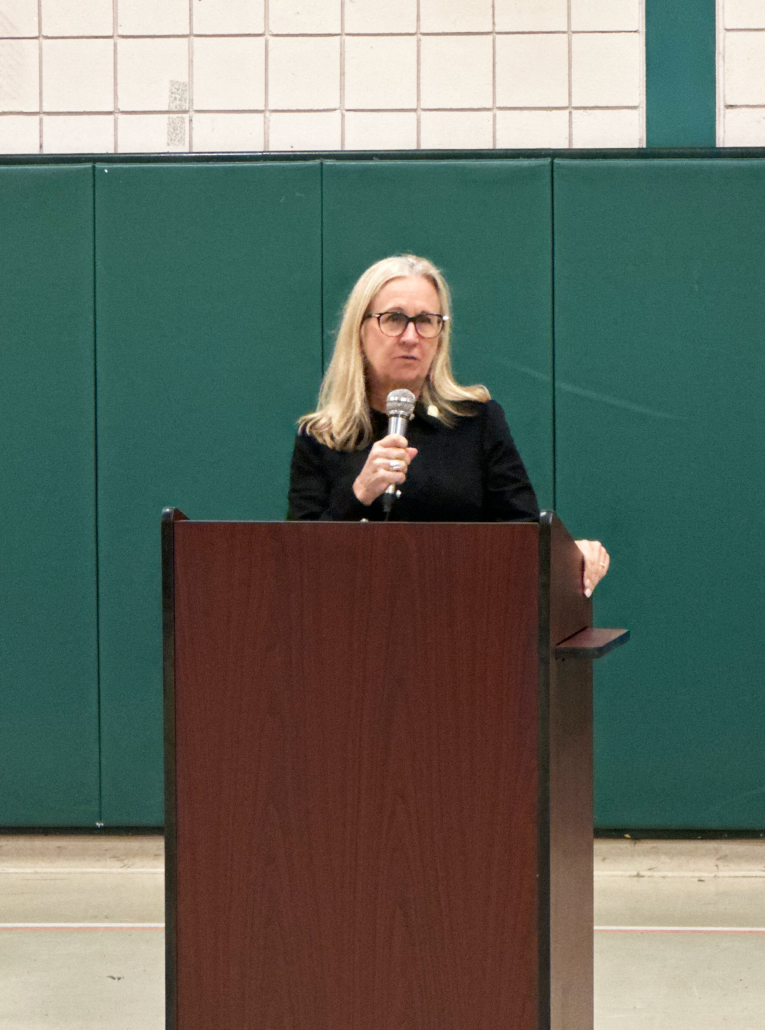
At a Mobile Health Unit ribbon cutting at the Greenhalge Elementary School on May 5, local officials celebrated the launch of the community initiative.

“We’re thrilled to collaborate with our community partners to meet children where they are, breaking down barriers to care while providing experiences for our health sciences students,” said UMass Lowell’s Mary Gallant, dean of the Zuckerberg College of Health Sciences. 

Lowell Public Schools Superintendent Liam Skinner praised the power of the partnership.

“In Lowell, this is what we do,” Skinner said. “We join together to find solutions to difficult problems. Thank you to everyone who made the Mobile Health Unit possible for our children and their families.”

Outfitted with two private exam rooms, a vaccination and blood collection area, and equipment to monitor vital signs, the Mobile Health Unit is staffed by Lowell Community Health Center licensed health care providers and community health workers. The unit will be a setting for career-connected experiences for UMass Lowell students. Students in the Solomont School of Nursing will earn clinical hours by assisting in delivering care, and students from all majors will collaborate to provide workshops that promote healthy living in areas such as nutrition, stress management and physical activity. 

Susan Levine, CEO of the Lowell Community Health Center, said her team was exploring ways to expand school-based health care beyond their clinics at Lowell High School and Stoklosa Middle School when she learned UMass Lowell had a Mobile Health Unit and was looking for community partners.

“On day one, our team was delivering vaccines and helping families connect to primary care,” Levine said. “That’s the kind of access this mobile unit makes possible. Students can step into the unit, get the care they need, and return to class – healthy and ready to learn. We are grateful to UMass Lowell and Lowell Public Schools for helping to turn this vision into a reality.”

UMass Lowell’s Nicole Champagne, Zuckerberg College associate dean for academic affairs, worked closely with faculty and partners to bring health services to the children and youth of Lowell. 

“We always had this vision that we’d use the Mobile Health Unit to travel to places where people are in need and immerse our students in community care,” Champagne said. “I’m grateful to all my colleagues and partners who united for the common good of our community.”

Lowell CHC Launches Autism Evaluation Clinic to Reduce Wait Times and Support Early Childhood Development

Lowell Community Health Center (Lowell CHC) is proud to announce the launch of its new Autism Evaluation Clinic, designed to help families receive faster answers and critical support during the earliest and most important years of their children’s development. The clinic is open to current Lowell CHC patients, and to new patients who start getting their child’s regular care at Lowell CHC before the autism evaluation begins.

The clinic will serve children between 18 months and 3 years old, a key window for identifying Autism Spectrum Disorder (ASD) and beginning early therapies that can significantly improve long-term outcomes. Currently, families are often referred to specialized developmental clinics in the region, where wait times for evaluations can be as long as one to two years. According to the National Institutes of Health, the average delay between the first signs of autism and diagnosis is 2.2 years, a gap that can limit access to services proven to help.

“Delays in diagnosis can make an already difficult time even harder for families,” said Natalie Bowen, MD, Chief of Pediatrics at Lowell CHC. “We created this clinic to make sure families aren’t waiting years for answers. Early diagnosis opens the door to services that can make a meaningful difference. Our goal is to help families access care quickly and begin supportive therapies during the most formative years of their child’s life.”

Toys that teach. Cropped shot of a baby boy playing with wooden building blocks on the floor

Pediatric and Family Medicine providers at Lowell CHC will work with Early Intervention specialists to find children who may show signs of autism. If there are concerns, the child will be scheduled for a full evaluation. This includes three visits and uses trusted tools to help with the diagnosis.

The clinic will initially operate two Thursday afternoon sessions per month, with plans to expand based on need. Dedicated staff members will help coordinate care, support families through the process, and ensure follow-through with recommendations and referrals.

Parents and caregivers should talk to their child’s Lowell CHC Primary Care Provider if they have any concerns about their child’s development. Early signs of autism could include:

  • Delays in speech
  • Poor eye contact
  • Not responding to their name (despite normal hearing)
  • Repetitive behaviors like hand flapping
  • Use of scripted or repetitive language

For more information or to begin the evaluation process, existing patients—or new patients looking to establish care—should call our main number at 978-937-9700 or speak with their child’s Lowell CHC provider.

March 18, 2025

Healthy Eating, Healthy Living: Simple Steps for Better Nutrition

By Sidney Coffman, MS, RDN, LDN

March is National Nutrition Month, a time to focus on making informed food choices and developing healthier eating habits. Good nutrition isn’t about strict dieting or depriving yourself—it’s about eating well to feel your best and support long-term health. At Lowell Community Health Center, we work with patients every day to make small, sustainable changes that can have a big impact. Here are some of the most important steps you can take toward better health:

1. Make Half Your Plate Fruits and Vegetables
Fruits and vegetables are packed with vitamins, minerals, fiber, and antioxidants that support your immune system and overall health. They add color, flavor, and texture to meals while helping you feel full. Fresh, frozen, and canned options all count—just look for low-sodium or no-added-sugar varieties.

2. Start Your Day with a Nutritious Breakfast
Eating a healthy breakfast provides the energy your body needs to start the day. Quick and simple options like low-fat plain yogurt with fruit, a hard-boiled egg with whole wheat toast, or oatmeal topped with nuts can help keep you full and focused throughout the morning.

3. Drink More Water
Hydration is key to maintaining good health. Drinking water instead of sugary drinks helps reduce calorie intake and supports digestion, kidney function, and energy levels. If plain water isn’t appealing, try adding slices of lemon, cucumber, or berries for natural flavor. Aim for 64oz a day.

Closeup image of an asian woman holding and showing a fresh mixed fruits on skewers

4. Fix Healthy Snacks
Snacking isn’t a bad habit—it’s about making the right choices. Healthy snacks, like raw veggies with hummus, yogurt with fruit, or a handful of nuts, can keep energy levels steady and prevent overeating at mealtime. Choosing whole, nutrient-rich foods instead of processed snacks makes a big difference in overall well-being.

5. Follow Food Safety Guidelines
Preventing foodborne illness is essential, especially for people with weakened immune systems, children, and older adults. Always wash your hands before preparing food, keep raw and cooked foods separate, cook foods to the right temperatures, and refrigerate leftovers promptly. Here is a food temperature guide from the USDA: https://www.fsis.usda.gov/food-safety/safe-food-handling-and-preparation/food-safety-basics/safe-temperature-chart

6. Get Cooking
Cooking meals at home gives you control over ingredients and portion sizes while saving money. Simple skills like chopping vegetables, roasting chicken, or cooking beans from scratch can make home cooking enjoyable and nutritious. Even small steps—like swapping out fried foods for baked options—can lead to long-term health benefits.

7. Consult a Registered Dietitian
If you need guidance on eating well, managing a medical condition, or just want to feel better, working with a registered dietitian nutritionist (RDN) can help. At Lowell Community Health Center, I am available to meet with any patient looking for personalized nutrition advice. Your health journey is unique, and together, we can create a plan that works for you.

Taking control of your nutrition doesn’t have to be overwhelming. Small changes add up, and focusing on these simple habits can improve your health and well-being. If you’d like to learn more, speak with your Lowell Community Health Center Care Team about scheduling a visit with a registered dietitian. Your future self will thank you!

*This information is adapted from the Academy of Nutrition and Dietetics (www.eatright.org).

February 21, 2025

Celebrate Heart Health Month with Us!

February is Heart Health Month, a time to focus on keeping our hearts strong and healthy. Heart disease is the leading cause of death for men and women in the United States, accounting for 1 in every 5 deaths. The good news is that there are steps you can take to protect your heart.

Understanding Heart Disease

Heart disease includes various conditions that affect the heart’s ability to function properly. The most common type is coronary artery disease, which can lead to heart attacks. In the United States, someone has a heart attack every 40 seconds.

How to Keep Your Heart Healthy

Here are some ways to take care of your heart:

  • Eat Healthy Foods: Enjoy plenty of fruits and vegetables. Choose whole grains like brown rice and oatmeal. Pick lean proteins such as chicken, fish, beans, and nuts. Try to limit foods high in salt, sugar, and unhealthy fats. If you’d like help eating healthier, ask your Care Team about seeing a nutritionist right here at Lowell Community Health Center.
  • Stay Active: Aim for at least 150 minutes of moderate-intensity aerobic activity each week, such as walking, dancing, aerobics, or 75 minutes of vigorous-intensity activity, like running. Regular exercise helps keep your heart strong.
  • Don’t Smoke: Avoid smoking and stay away from secondhand smoke. Smoking can harm your heart and blood vessels. If you need help quitting, our Care Team can provide resources and support.
  • Manage Stress: Chronic stress may contribute to heart disease. Consider activities like meditation, deep breathing exercises, or yoga to help manage stress.
  • Monitor Your Blood Pressure: High blood pressure often has no symptoms but significantly increases the risk of heart disease and stroke. Regular monitoring can help you keep it under control.

High Blood Pressure and Heart Health

High blood pressure, or hypertension, is a major risk factor for heart disease. Nearly half of adults in the United States have hypertension, yet only about 1 in 4 have it under control.

Managing your blood pressure is crucial for heart health. Here are some tips:

  • Take Prescribed Medications: If your doctor prescribes medication for high blood pressure, take it as directed. Medication adherence is critical to successful blood pressure control.
  • Reduce Sodium Intake: Eating too much salt can raise blood pressure. Aim to consume less sodium by choosing fresh foods and reading nutrition labels to select low-sodium options.
  • Limit Alcohol Consumption: Drinking too much alcohol can increase blood pressure. Men should limit themselves to two drinks per day, and women to one drink per day.

If you have questions about managing your blood pressure, our Care Team at Lowell Community Health Center is here to help. We offer personalized plans and support to keep your heart healthy.

Talk to Your Care Team

Your health is a partnership. If you have any questions or concerns about your heart health, don’t hesitate to reach out to your Care Team at Lowell Community Health Center. We’re here to provide guidance, support, and resources tailored to your needs. Together, we can develop a plan to maintain or improve your heart health.

References:

Million Hearts®. Improving Medication Adherence Among Patients with Hypertension.https://millionhearts.hhs.gov/data-reports/factsheets/adherence.html

February 11, 2025

Lowell Community Health Center to Launch Community Care in Reach Mobile Health Unit to Bring Lifesaving Services Directly Lowell Residents

Lowell Community Health Center (Lowell CHC) is expanding its reach beyond clinic walls with the launch of the Community Care in Reach Mobile Health Unit, bringing essential health services directly to those who need them most. This initiative is made possible through the generosity of the Robert K. Kraft Family Foundation and in collaboration with The Kraft Center for Community Health at Mass General Brigham, reinforcing a shared commitment to addressing community health needs through innovative, on-the-ground solutions.

The Community Care in Reach Mobile Health Unit, which is expected to be operational by Spring 2025, will offer a variety of health services, including access to Narcan, condoms, test strips, HIV and Hepatitis C testing, and other safety supplies. The Community Care in Reach Mobile Health Unit will offer health education, help individuals connect to detox programs and community resources, and offer referrals for primary care, substance use treatment, and behavioral health services.  

The Kraft Center for Community Health has been instrumental in developing and expanding the Community Care in Reach® model, which increases access to essential health services and clinical care community settings outside of the traditional hospital setting.

“The Care in Reach Mobile Health Unit represents an important step in our mission to make healthcare more accessible to everyone in our community,” said Susan West Levine, CEO of Lowell CHC. “By bringing essential services directly to individuals who face barriers to care, particularly those living with substance use disorder, we are not only addressing immediate health needs but also building connections to long-term support and treatment.”

“At Mass General Brigham, we believe that healthcare should never be out of reach,” said Elsie Taveras, MD, MPH, Chief Community Health and Health Equity Officer at Mass General Brigham and Executive Director of the Kraft Center for Community Health. “This innovative approach breaks down the barriers that too often prevent people from accessing life-saving treatment. By meeting people where they live and work, we’re not only improving health outcomes but also empowering individuals to take control of their wellbeing.

The Community Care in Reach Mobile Health Unit’s operational funding is provided by the MA Department of Public Health – Bureau of Substance Addiction Services, to provide substance use disorder services to more people in more locations.

The Community Care in Reach Mobile Health Unit will be deployed throughout Greater Lowell, bringing essential health services directly to individuals and connecting them to the care and resources they need.

About Lowell Community Health Center

Founded in 1970, Lowell Community Health Center is the healthcare home of choice for more than 38,000 individuals in Greater Lowell. At the heart of our mission lies a strong commitment to offering comprehensive and accessible healthcare services, ensuring that every patient receives the care they need, regardless of financial status.

About The Kraft Center for Community Health The Kraft Center for Community Health at Mass General Brigham was established with the mission to expand access to high-quality, cost-effective healthcare for medically underserved patients and communities. Founded in 2011 through a generous donation by Robert Kraft, the Center aims to catalyze innovative solutions to real world community health problems, execute solutions locally, and make them scalable and ready to spread nationally to improve health outcomes for disadvantaged populations nationally. The Kraft Center is an innovation leader across the Mass General Brigham system, specializing in programmatic design and implementation to improve community health. For more information, please visit kraftcommunityhealth.org.